
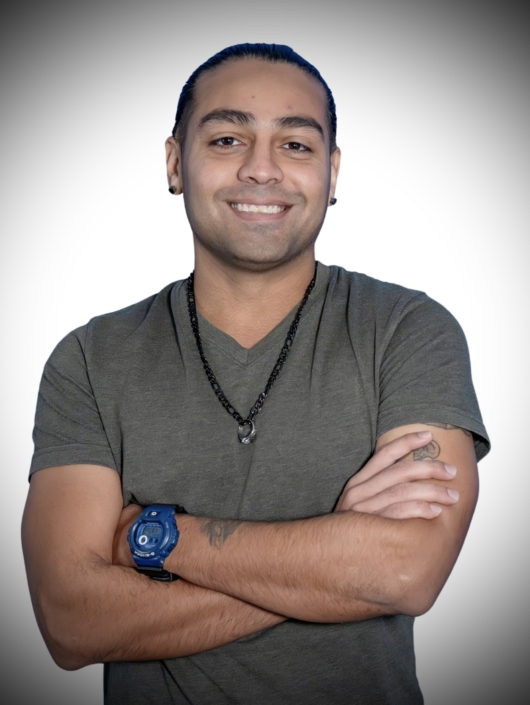
I am a child of immigrants. Until the age of four, my family was together—and those were the happiest years of my life.
But my father struggled with addiction, and his challenges tore our family apart when I was just a toddler. The separation was devastating. I spent most of my childhood carrying the weight of that loss, feeling lonely, worthless, misunderstood, and angry all the time.
By the time I was a teenager, heartbreak and hardship had become a normal part of my life. My family faced constant housing insecurity, and I became all too familiar with the pain of losing loved ones. To cope, I began suppressing my emotions and turning to unhealthy outlets like substance use. That’s when I built my façade—the mask I wore to survive. I got really good at pretending I was fine, even when I was falling apart inside. It never felt safe to let anyone see what was really happening.
I was the first in my family to go to college—a milestone I was incredibly proud of, but one that also came with heavy emotional weight. During that time, my father tried to reconnect with me, but his ongoing struggles led to his deportation and, eventually, his passing. I went emotionally numb for years after that.
Around the same time, my physical health began to decline. Without health insurance, I avoided doctors for most of my young adult life. When I finally sought care, I was diagnosed with a serious medical condition and immediately put on medication. I had never been more afraid for my life.
I managed to keep going—until I lost my lifelong best friend at just twenty-six years old. Giving his eulogy was the hardest thing I’ve ever done. After that, I spiraled into a deep, functioning depression. By day, I smiled and worked hard. By night, I was paralyzed—barely able to move, eat, or get out of bed on weekends. I was in pure survival mode, just trying to stay afloat. Eventually, I began to see the connection between my physical symptoms and my emotional pain.
That’s when I made the most important decision of my life: I decided I would save my life.
That meant reclaiming my mind, healing my heart, and caring for my body. I learned to self-advocate for my health and to access resources that supported my recovery. I had always been an athlete, but I needed more than physical strength—I needed emotional resilience. I changed my relationship with substances, began eating healthier, prioritized rest, and learned to express myself in new ways through counseling, journaling, and creating a vision board.
My vision board became my lifeline—filled with happy memories, affirmations, and reminders of my strength. On my hardest days, I would look at it and repeat: You are worthy. You will win. You will be happy. I would say it until I believed it enough to get out of bed and keep going.
My mind has always been my greatest tool, but for a long time, it worked against me. Through recovery, I learned how to reprogram my thoughts—to fight for myself instead of against myself. I’ve always been a fighter, and once I directed that strength toward healing, I refused to give up.
My lifelong mission has been to reclaim the happiness I felt as that four-year-old child. When I finally realized that surviving wasn’t enough—that I deserved to live—everything changed. My recovery journey inspired me to help others who are walking a similar path.
I see myself in the youth in our community—their pain, their potential, their resilience. I think about everything I needed at their age but didn’t have, and I want to be that source of support and hope for them. I remind them that they are not alone, that I believe in them, and I help them learn what took me years to figure out—how to access and navigate the resources that can change their lives.
That’s why I’m so passionate about advocating for mental health. It’s not just important work—it’s life-changing and lifesaving.
-Michael Reyes


